
There are few moments more satisfying for a crafter than looking at a finished project and admiring your handiwork. For me with cross stitching, it is admiring the neat rows of stitches and the way those final infuriating back stitches really finish off the look. However, as I watch other people cross stitch and move further into more detailed work myself, I’m realizing that not everyone cross stitches the same way.
“What? Cross stitching is one of the most basic stitches!”
Yes, but there are different ways of doing it—and no, most of them do not work very well.
Today I want to share with you several cross stitching tips that I have discovered work best in a project, both for beginners and the more advanced!
1. Cross All Your Stitches in the Same Direction
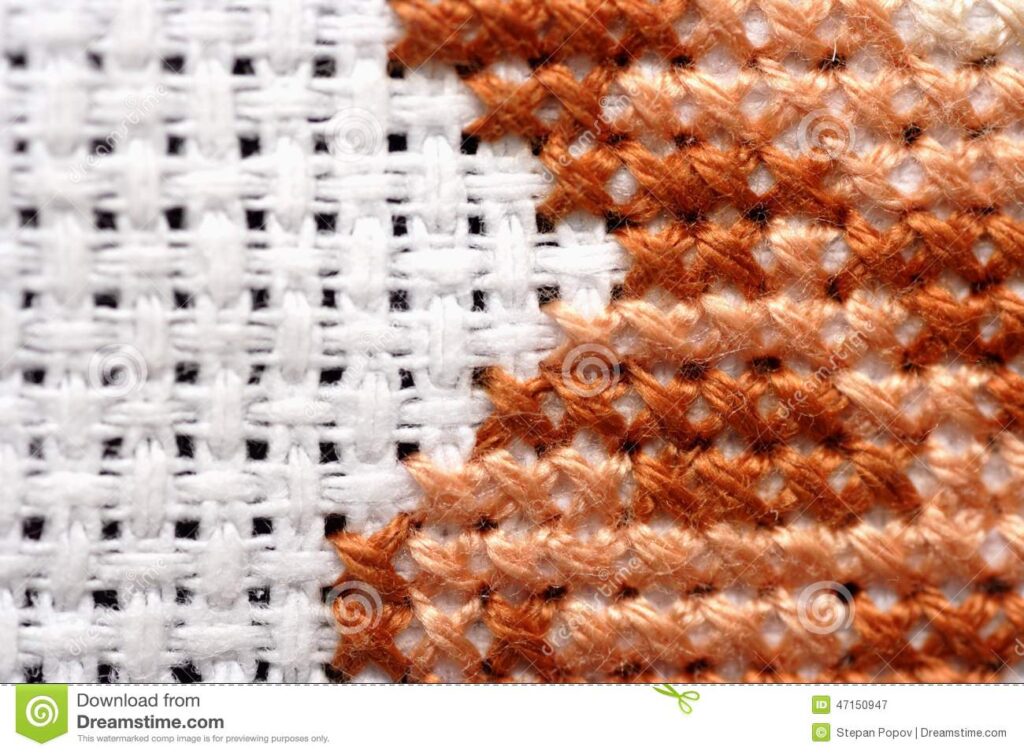
Please, please, PLEASE do this. It seems very basic, but I often see this problem in projects. I remember starting out in cross stitching not knowing this, and I completed several projects wondering why my design never looked quite like the picture/pattern I was following.
If you remember none of the other cross stitching tips from College Crafting, this one is definitely one to keep in the front of your mind!

As can be seen in my project above, crossing stitches in opposite direction looks rather chaotic. Crossing them in the same direction (whether it be left or right) gives a much more finished appearance.
2. Cross Stitch in Rows Rather than in Single Stitches
By rows, I mean going in one direction making half of your cross stitches, then returning along the same row completing the stitch to make a full cross.

I haven’t always done this. It is sooo tempting to just finish stitches as you go rather than leaving them half done as you go to the end of the row and return again. I have given in to this inclination more than once, and although the project will still turn out correctly (if you follow tip #1 😉) it’s better to stitch in rows- and here’s why.
When you go full cross stitch by cross stitch, your stitches won’t look as cohesive. They’ll tend to look just like what they are—single stitches. Your project won’t lay as flat and your rows could look uneven.

When you go by rows, your project lays flatter and the stitches and different colors will meld together much better and look connected.
3. The Back of Your Project Matters
I don’t mean that the back of your landscape has to be something you would frame and put in your living room 😊
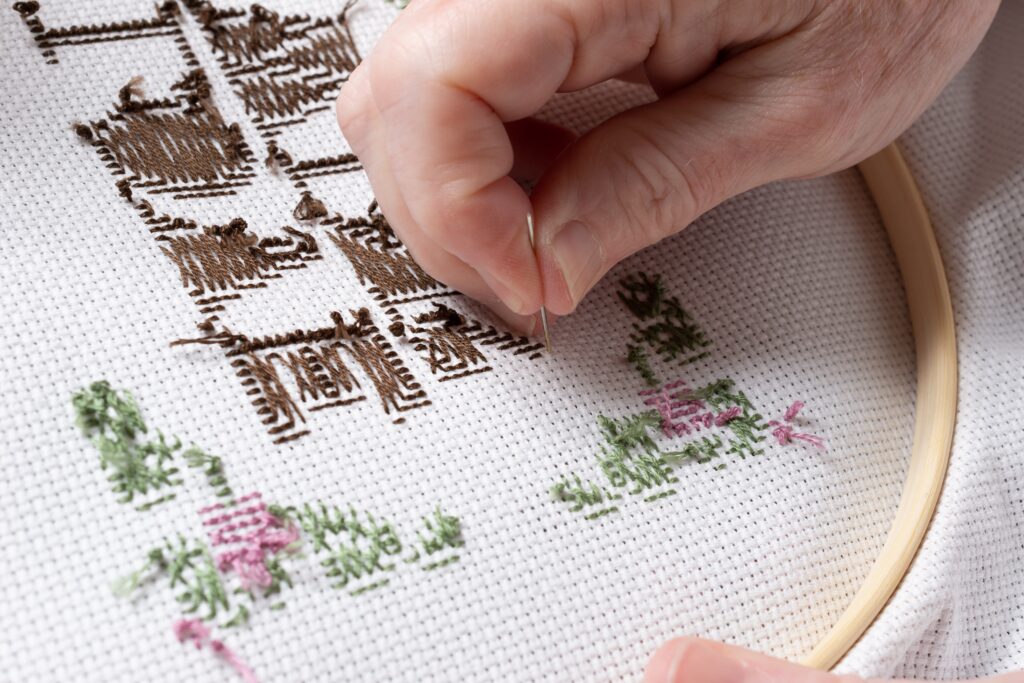
I have found from experience that when you pay attention to how the back of your project looks can help you be more conscious with how your stitches are looking on the front. Your project will also lay much flatter and be easier to frame later on.
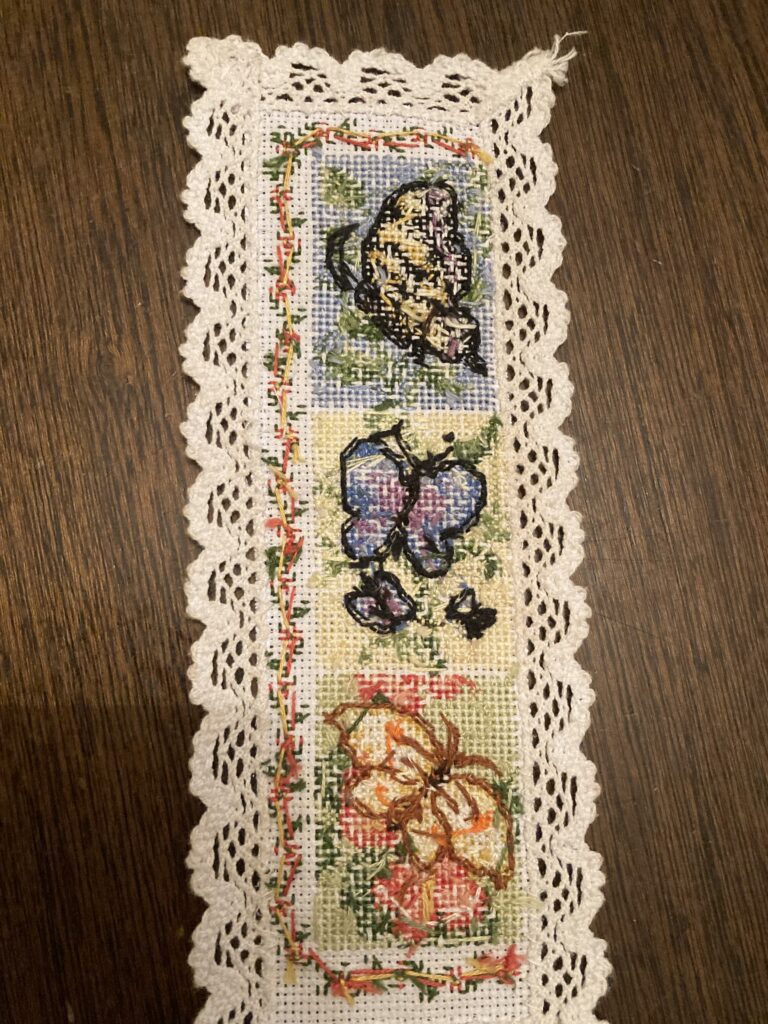
One way to make the back of your project neater is not stretching your thread too far across the back. I like to stitch everything in one color at a time, therefore making it very tempting to cross threads every which way in my attempts to cut the thread as little as possible as I reach all the stitches of one color in the pattern.
When you cross too much and too far across, you are more likely to get your thread tangled and knotted, making the back of your project bumpy.
If none of that sounds worth the worry of watching the back of your stitches, allow me to say that it is so very satisfying to see that the back of your project is just as neat and pretty as the front 😊
Conclusion

I find cross stitching to be a very relaxing and fun craft that I can do whilst multitasking, such as listening to music or watching a movie. While there are many ways to cross stitch, there are also many ways that can help make your final project the best it can be!
If you’re interested in learning more about the finer points of cross stitching, stay tuned here at College Crafting! You can also check out this amazing post from one of my favorite crafting sites, The Spruce Crafts, about cross stitch blogs to follow!
I hope that you found these few cross stitching tips helpful—and as always, know that a busy schedule doesn’t have to keep you from crafting!
“Therefore if any man be in Christ, he is a new creature: old things are passed away; behold, all things are become new.”
II corinthians 5:17
Leave a Reply